How Taiwanese Whisky Differs from Japanese and Scotch Whisky
If you already know Scotch or Japanese whisky, it is natural to ask how the Taiwanese whisky category compares. The short answer is not that Taiwanese whisky is a younger stand-in for either tradition. It is that a humid subtropical warehouse climate treats oak differently, and that the casks themselves are distinctively innovative.
At Bunnyville Distillery, located on Taiwan’s western side near the Taiwan Strait, our craft draws from world-class distillation standards while showcasing how our unique climate, indigenous fruit, tea-seasoned barrels, and water create a rich, deep profile.
Three Traditions, Not a Ranking
Taiwanese, Japanese, and Scotch whisky all draw on a shared distillation heritage. Scotland established much of the foundational craft. Japan studied those principles closely to build a profile centered on balance and precision. Taiwan learned from Scottish practice and then pioneered a style defined by intensity.
Prized for vast regional range—from unpeated floral Speyside malts to richly peated Islay classics—shaped in cool Scottish dunnage warehouses.
Prized for harmony, precision, floral blossom notes, and clean, layered finishes where no single note overpowers.
Prized for stronger oak character, richer tropical fruit sweetness, and deeper flavour resulting from intensified wood extraction in a subtropical climate.
What Taiwan’s Subtropical Climate Does to Oak and Flavour
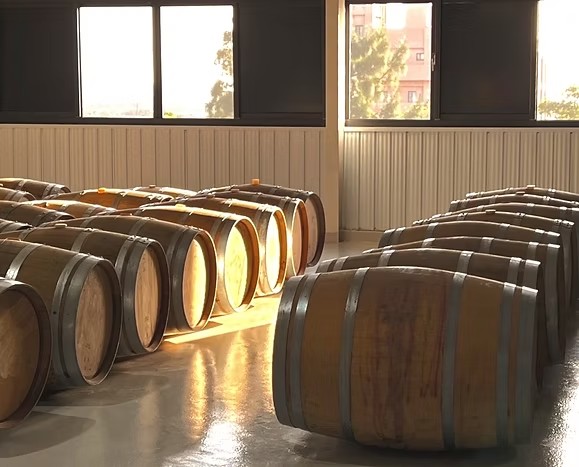
Heat and humidity intensify the interaction between spirit and wood. In a warm warehouse near the Taiwan Strait, the spirit is pushed deeper into the oak staves as the wood expands and contracts with the heat. More of the barrel’s natural character enters the whisky: rich vanilla, baking spices, toasted oak tannins, and structural depth.
A younger Taiwanese whisky is not simply a stand-in for an older Scotch; it represents a different dimension of extraction and wood depth that distillers carefully monitor to maintain perfect balance.
Casks Taiwan Can Call Its Own: Tea, Fruit, and Local Wine
While bourbon and sherry casks remain classics, Taiwanese innovation shines in specialized seasoning:
Taiwanese high-mountain tea (such as Oolong and Jasmine) is crafted into tea liqueur, seasoned in oak barrels, and then filled with single malt. Bunnyville Oolong Tea Barrel and Jasmine Tea Barrel whiskies have earned IWSC Gold (95 pts) and SFWSC Double Gold.
Seasoned with native Lychee liqueur, Plum, or local Taiwanese wine varieties such as Golden Muscat and Black Queen. Golden Muscat Wine Barrel Single Malt was honored with SFWSC Double Gold in 2025.
Including No.19 Peated Single Malt and No.17 Single Grain (Wheat), proving Taiwan's whisky map extends far beyond standard non-peated profiles.
Frequently Asked Questions (FAQ)
Scotch is defined by regional diversity and cool-climate maturation; Japanese whisky is celebrated for delicate harmony and precision; Taiwanese whisky is renowned for bold oak character, tropical fruit notes, and deep flavour driven by subtropical wood extraction.
Taiwan's warm, humid subtropical climate intensifies the exchange between spirit and oak, giving stronger oak character and richer, deeper vanilla, spice and wood notes.
Bunnyville Distillery was licensed in 2004 in Rabbit Hole Village, Taoyuan, Taiwan, near the Taiwan Strait. A second distillery in Xinwu, Taoyuan, has been operating since 2023, bringing annual capacity to 1 million bottles.